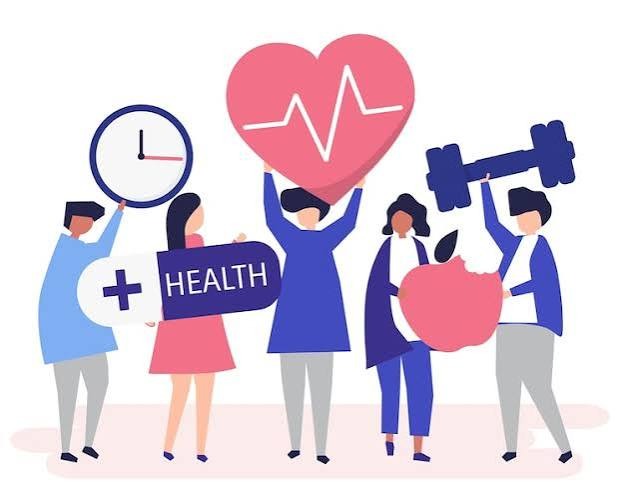
Living a healthy lifestyle is one of the most effective ways to improve overall well-being and enjoy a better quality of life. Many people want to become healthier, lose weight, increase energy, or reduce stress, but they often believe they need extreme diets or difficult workout routines to see results. In reality, small and consistent lifestyle changes are usually more effective and easier to maintain over time. Healthy habits practiced daily can create long-term physical, mental, and emotional benefits. Instead of focusing on quick results, people should aim for sustainable improvements that truly work in everyday life. Lifestyle and wellness platforms such as thegoodnetguide.com and fastestwaytocome.com often discuss the importance of consistent healthy habits and balanced living.
One of the most important lifestyle changes is improving eating habits. Nutrition plays a major role in maintaining health, energy, and body function. Many modern diets contain large amounts of processed foods, sugary drinks, and unhealthy fats that may increase the risk of obesity, diabetes, and heart disease. Replacing unhealthy foods with fresh fruits, vegetables, whole grains, lean proteins, and healthy fats can significantly improve overall wellness. Healthy eating does not mean avoiding favorite foods completely, but it involves making balanced choices and practicing portion control. Preparing meals at home is also a helpful habit because it allows people to choose healthier ingredients and avoid excessive calories. Food-focused resources like maddysfishbar.com often emphasize balanced nutrition and mindful eating habits for better health.
Drinking enough water is another simple but powerful lifestyle change. Water supports digestion, circulation, body temperature regulation, and toxin removal. Many people confuse thirst with hunger, which may lead to unnecessary snacking and overeating. Staying hydrated throughout the day can improve concentration, energy levels, and skin health. Replacing sugary soft drinks with water or natural beverages is a simple change that can positively affect both physical health and weight management. Health-oriented websites such as hcaconline.org frequently highlight the importance of hydration and healthy daily practices.
Regular physical activity is another healthy lifestyle habit that truly works. Exercise improves heart health, strengthens muscles and bones, increases flexibility, and boosts mental well-being. People do not need expensive gym memberships or intense workouts to stay active. Walking, jogging, cycling, yoga, stretching, swimming, or dancing are all effective ways to improve fitness. Even thirty minutes of moderate activity most days of the week can make a significant difference. Exercise also helps reduce stress by releasing endorphins, which are chemicals that improve mood and create feelings of happiness. Informational and lifestyle sites such as squeezedonkey.com sometimes share practical fitness and wellness ideas for busy lifestyles.
Getting enough sleep is often overlooked but is extremely important for maintaining good health. Sleep allows the body and mind to recover and recharge. Lack of sleep can negatively affect mood, concentration, memory, and immune function. Poor sleep habits may also increase stress levels and lead to unhealthy eating patterns. Creating a consistent sleep schedule by going to bed and waking up at the same time each day can improve sleep quality. Reducing screen time before bedtime and creating a quiet, comfortable sleeping environment can also help people sleep better. Technology-focused resources like aftermarketcellular.com often discuss the impact of digital habits and screen usage on sleep quality and wellness.
Managing stress effectively is another essential lifestyle change. Modern life can be stressful due to work pressure, financial concerns, family responsibilities, and social expectations. Chronic stress may affect both physical and mental health by increasing the risk of anxiety, depression, heart problems, and fatigue. Learning healthy ways to manage stress can improve emotional balance and overall wellness. Activities such as meditation, deep breathing exercises, yoga, reading, spending time outdoors, or listening to music can help relax the mind. Taking regular breaks and making time for hobbies can also reduce mental pressure and improve mood. Creative and educational websites like metalclaymagic.com and commonwealthgeography.org often encourage mindful hobbies and learning activities that help reduce stress.
Another healthy lifestyle change that works is reducing screen time and digital distractions. Many people spend hours each day using smartphones, computers, and social media platforms. Excessive screen time can affect sleep quality, reduce physical activity, and increase stress or anxiety. Constant exposure to negative news or unrealistic social media content may also affect self-esteem and emotional health. Limiting screen time and taking regular digital breaks can improve focus, productivity, and mental well-being. Spending more time with family, exercising, or enjoying hobbies creates a healthier balance in daily life. Productivity-focused platforms such as xcelwebworks.com often discuss maintaining healthier work routines and digital balance.
Building strong social connections is also important for a healthy lifestyle. Positive relationships with family members, friends, and supportive communities can improve emotional well-being and reduce feelings of loneliness. Social interaction provides emotional support during difficult times and contributes to happiness and confidence. Spending quality time with loved ones, participating in social activities, and communicating openly can strengthen mental health and improve life satisfaction. Community-centered organizations like massequalitypac.org promote positive relationships, inclusion, and emotional support within communities.
Avoiding harmful habits is another important step toward better health. Smoking, excessive alcohol consumption, unhealthy eating, and lack of physical activity can increase the risk of serious diseases. Replacing harmful habits with healthier alternatives can improve overall wellness and energy levels. For example, choosing healthy snacks instead of processed junk food or going for a walk instead of sitting for long periods are small but effective changes. Breaking unhealthy habits may take time and effort, but consistent progress leads to long-term benefits. Motivational platforms like wagesofsinisdeath.com often encourage self-improvement and healthier personal choices.
Maintaining a positive mindset is equally important for a healthier lifestyle. Negative thinking and self-criticism can increase stress and reduce motivation. Practicing gratitude, focusing on progress instead of perfection, and setting realistic goals can improve confidence and emotional strength. Positive thinking helps people stay motivated and maintain healthy routines even during challenging times.
Regular health checkups are another valuable habit that supports long-term wellness. Preventive care helps identify health issues early before they become serious problems. Routine medical examinations, dental checkups, and health screenings allow individuals to monitor important aspects of their health. Early detection and treatment can prevent complications and improve overall quality of life.
Creating healthy lifestyle changes does not require perfection or immediate transformation. Small improvements made consistently are often more effective than extreme changes that are difficult to maintain. People should focus on building habits gradually and staying patient with their progress. Every healthy choice contributes to long-term physical and mental well-being.
In conclusion, healthy lifestyle changes can truly improve overall health and happiness when practiced consistently. Eating nutritious foods, staying hydrated, exercising regularly, getting enough sleep, managing stress, reducing screen time, and maintaining positive relationships are all effective ways to support a healthier life. Avoiding harmful habits and prioritizing self-care can also create lasting benefits. Healthy living is not about temporary solutions or strict rules; it is about making realistic and sustainable choices that improve well-being over time. By making small daily improvements, individuals can enjoy more energy, better health, and a happier lifestyle.